
Shopping for a lab-grown diamond can feel surprisingly technical once the browsing begins. Two diamonds with the same carat weight may look noticeably different, while stones with different grades can appear almost identical without magnification. The 4Cs, cut, color, clarity and carat, give shoppers a useful framework for comparing their options without getting distracted by a long list of numbers. The trick is understanding which characteristics make the biggest visual difference and where there may be room to compromise. Whether the diamond is destined for an engagement ring or another piece of jewelry, learning the 4Cs makes it much easier to recognize a stone that looks beautiful rather than simply impressive on paper.
Start With Cut Quality
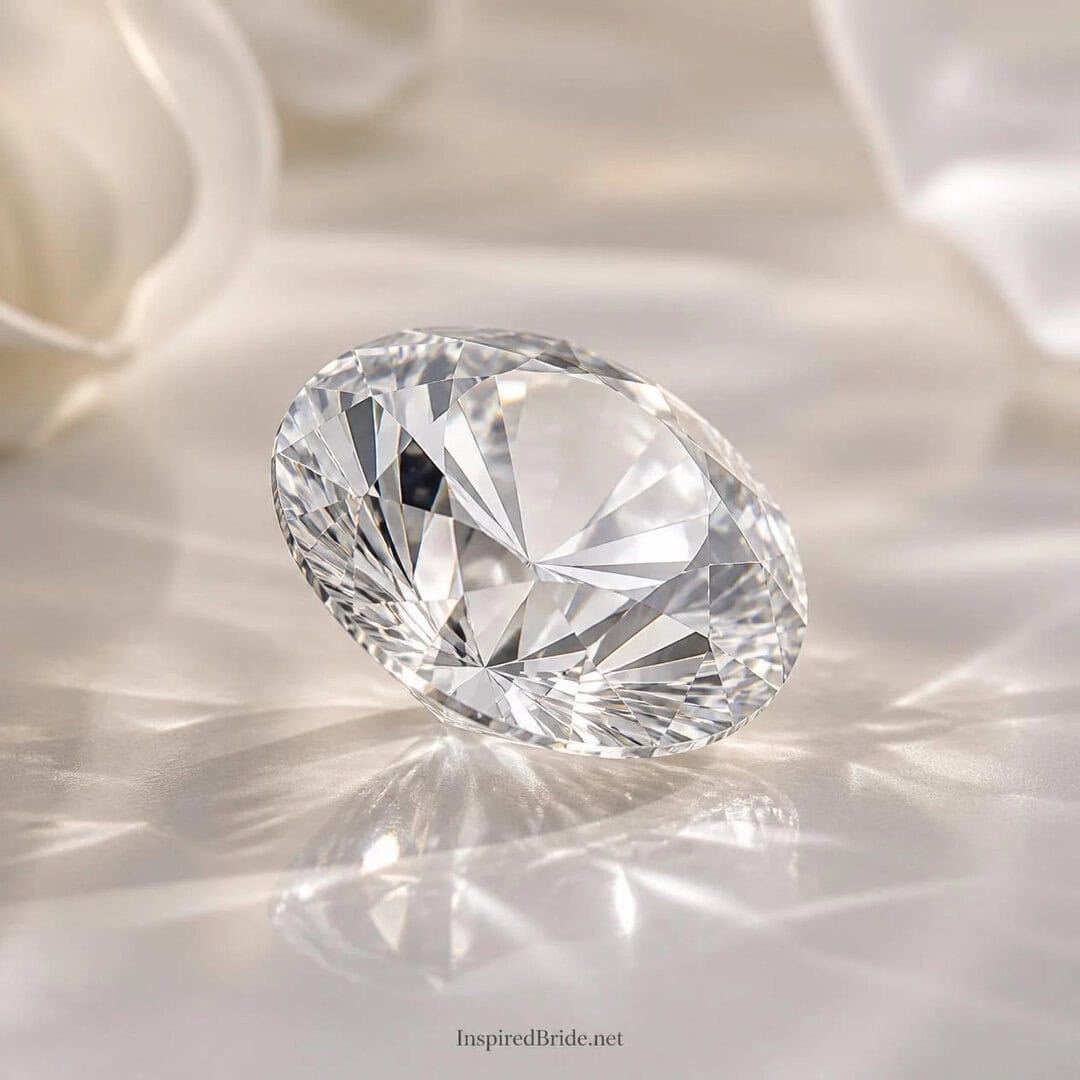
Cut deserves special attention because it influences how effectively a diamond interacts with light. A beautifully cut diamond can look bright, lively and substantial, while a poorly proportioned stone may appear dull even when its color and clarity grades are excellent. For shoppers who care about sparkle, cut is often a smarter place to prioritize the budget than chasing flawless clarity.
Cut should not be confused with diamond shape . Round, oval, emerald, pear and cushion describe shapes, while cut quality refers to proportions and craftsmanship. Grading terminology can also vary depending on the diamond shape and grading report, so shoppers should look beyond a single label.
Seeing diamonds in person or through detailed videos can help. Pay attention to brightness across the stone and look for areas that remain unusually dark. For elongated shapes such as ovals and pears, compare several stones because their proportions and light patterns can differ considerably even at the same carat weight.
Understand Color Before Buying
Diamond color grades measure the absence of color in a stone, with diamonds closer to colorless typically commanding higher prices. That does not mean every shopper needs the highest possible grade. Many diamonds with slightly lower color grades still appear beautifully white when viewed without specialized equipment.
Personal preference matters here, especially for anyone dropping engagement ring hints before a proposal. Someone who loves crisp platinum settings may prefer a diamond that faces up particularly white, while a person drawn to warm yellow gold may be perfectly happy with a slightly warmer stone. The setting itself can influence how the diamond’s color appears.
Shape can make a difference as well. Some cuts reveal body color more readily than others, particularly at larger carat weights. Instead of paying for a color distinction that may be difficult to notice, shoppers can compare diamonds visually and decide where their own threshold falls. Certification provides useful information, but the ring will ultimately be viewed on a hand, not under laboratory grading conditions.
Get Smart About Clarity
Clarity describes internal characteristics called inclusions and external characteristics known as blemishes. Diamonds with fewer visible characteristics receive higher clarity grades, but the highest grade is not always necessary for a beautiful piece of jewelry. Many inclusions are difficult or impossible to see without magnification.
An eye-clean diamond, meaning one whose inclusions are not readily visible to the unaided eye under normal viewing conditions, can offer an appealing balance between appearance and price. Placement matters too. A small inclusion near the edge of a diamond may be much less noticeable than one positioned prominently beneath the center of the table.
The same thinking applies beyond engagement rings. Someone choosing lab-grown diamond earrings to pair with the rest of your wedding day look may care more about overall sparkle and size than achieving extremely high clarity grades. Earrings are generally viewed from farther away than a ring, making tiny inclusions even less apparent. Understanding how the jewelry will actually be worn can prevent unnecessary spending on grades that provide little visible benefit.
Think Beyond Carat Weight
Carat measures a diamond’s weight, not its physical dimensions. That distinction matters because two diamonds of identical carat weight can appear different in size depending on their shape and proportions. An elongated oval or marquise, for example, may create more visible finger coverage than another shape at the same weight.
Rather than selecting a carat number first, consider how large you want the diamond to look and how it will work with the setting. Finger size, band width and surrounding stones can all affect the overall impression. A delicate solitaire may emphasize the center diamond, while a substantial band or halo changes its visual proportions.
Lab-grown diamonds can give buyers more flexibility at higher carat weights, but bigger should not automatically mean better. A well-proportioned stone that complements the wearer’s hand and personal style often looks more intentional than a larger diamond chosen primarily for its weight.
Balance All Four Cs
The smartest diamond purchase rarely involves maximizing every grade. Instead, consider the 4Cs together and decide which characteristics create the appearance you want. A shopper might prioritize an excellent-looking cut, choose a color that appears white in the intended setting, select an eye-clean clarity grade and then use the remaining budget to determine carat weight.
Always review an independent grading report from a recognized gemological laboratory and compare the report with what you can actually see. Numbers provide valuable guidance, but jewelry remains personal.
The best lab-grown diamond is not necessarily the one with the highest grades. It is the one that uses the 4Cs intelligently to deliver the beauty, size and style you want at a price that makes sense.