
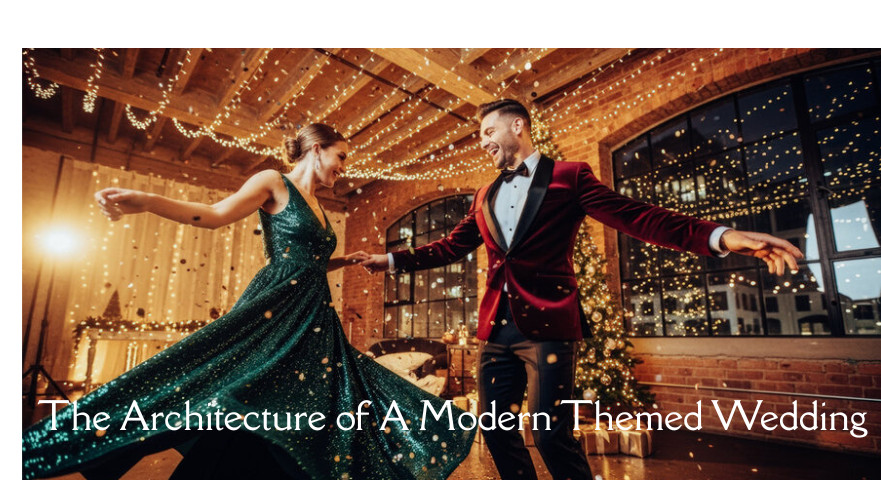
A shift has taken place within contemporary bridal design. Modern couples are moving away from surface-level decorations and toward narrative-driven immersive design. Rather than picking a generic color scheme or a heavy-handed gimmick, high-end wedding designers now approach themes through the lens of spatial design. A theme is no longer a rigid set of rules to follow, but rather a creative filter through which lighting, spatial design, menu creation, and attire are curated.
The modern themed wedding balances deep personal expression with elevated fashion. Whether executed on an unlimited luxury budget or crafted through high-impact, low-cost curation, the modern theme thrives on subtlety, texture, and unexpected sensory details.
The Shift from Prop-Based to Spatial Design
The difference between a dated concept and a contemporary aesthetic comes down to literal interpretation versus stylistic interpretation. Where a vintage nautical theme a decade ago relied on anchor motifs, navy-and-white stripes, and ships in bottles, that same concept today translates into a Mediterranean Riviera narrative. The anchor logos disappear, replaced instead by sculptural alabaster lighting, raw linen textiles, textured lemon groves, and an extended cocktail hour centered around a fresh oyster-shucking bar.
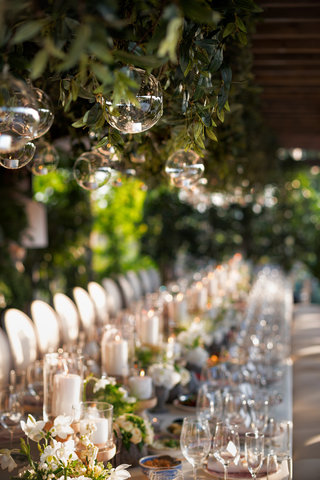
Modern event architects design around three core principles: materiality, lighting, and multi-sensory layering. Materiality relies on raw silk, brushed chrome, organic stone, or heavy fabrics to establish a distinct mood without relying on explicit signage. Lighting serves as spatial architecture, moving away from standard room washes to statement pendants, warm low-level uplighting, and dramatic, candle-heavy tablescapes that shape the emotional flow of the evening. Finally, olfactory and auditory layering incorporates subtle custom scents alongside curated soundscapes, such as live string quartets playing alternative arrangements of modern music.
Three High-Impact Concepts Redefining Wedding Fashion
Three distinct high-impact concepts are currently redefining wedding fashion and design. The first is Regency Drama, an aesthetic driven by a resurgence in historical romance and period media. Today’s interpretation moves past literal costume toward structured, high-fashion portraiture. The defining bridal garment for this movement is the Basque waist gown, featuring a distinct drop-V waistline that elongates the torso while framing a structured bodice. Couples pair this silhouette with architectural fabrics like silk faille, jacquard, or subtle brocade, while veils feature dramatic, hand-stitched narrative script or embroidered floral motifs. The surrounding color story relies on soft opalescent tones, sage, muted powder blues, and antique silver accents, supported by draped textiles and dense, low-profile floral arrangements in polished chrome vessels.
A second major movement is Supper Club Noir, which ditches the conventional multi-course ballroom dinner in favor of an intimate, high-energy speakeasy atmosphere. The palette leans heavily into midnight navy, onyx, deep burgundy, warm gold, and champagne. Lighting is intentionally low-wattage, utilizing amber bulbs, table-top banker lamps, and tall taper candles focused intently on dining and performance spaces. The aesthetic calls for sharp, dramatic tailoring, such as grooms in velvet dinner jackets or double-breasted tuxedos, while brides lean into liquid silk, high-neck bias cuts, or dramatic opera gloves. A central fashion trend here is the second-look transition, where a formal ceremonial gown is swapped for a sculptural mini-dress paired with statement sunglasses on the dance floor. Food and drink mirror the energetic environment, replacing traditional dessert buffets with dynamic champagne towers alongside late-night comfort delicacies.
The third concept, Meadowcore, represents a sophisticated evolution of the rustic-chic movement. It strips away rustic barn doors and mason jars, replacing them with fine-art botany and surrealist natural elements. Unstructured, airy silhouettes dominate the attire, featuring subtle three-dimensional botanical embroidery, sheer tulle layering, and soft natural hues like pale butter yellow, dusty blush, and moss green. Instead of traditional elevated centerpieces, florals are arranged to look as though they are growing directly out of the floor or table bases, creating an organic, grounded environment.
Strategic High-Low Balancing for Any Budget
Creating an atmospheric themed wedding does not require an endless pool of capital. The key to high-impact budget design lies in concentration over distribution. Instead of spreading a limited decor budget thin across an entire venue, smart event styling focuses on creating two or three central visual moments while paring back on non-essential elements. For instance, rather than investing heavily in custom overhead lighting installations throughout a ballroom, dense groupings of taper candles set on mirrors paired with floor-level warm uplights produce a similarly dramatic impact at a fraction of the cost. Similarly, instead of importing out-of-season blooms for every table, couples can repurpose ceremony aisle markers as reception focal points while utilizing local, seasonal greenery for the tablescapes.
The Budget-Friendly Blueprint: Apothecary and Editorial Botanical
To illustrate how narrative design can be executed affordably, consider the complete framework for an Apothecary and Editorial Botanical wedding. This concept pairs vintage European herbalist charm with clean, modern editorial styling, without requiring bespoke staging or expensive floral imports. The aesthetic relies on moody organic elegance, drawing upon key materials like amber glass, dark wood, brass, torn-edge paper, and dried herbs set against a palette of forest green, warm amber, cream, and antique gold.
For the venue, couples can search for historic libraries, greenhouse spaces, conservatory dining rooms, or industrial brick loft spaces that offer inherent character. The layout strategy bypasses expensive floral arches and focuses guest energy around a central, atmospheric statement bar and long, communal banquet tables rather than scattered round tables.
The tablescape strategy relies on sourcing amber vintage medicine bottles, test tubes, and glass jars in bulk from secondhand platforms or wholesale suppliers. Instead of traditional, expensive floral arrangements, these amber bottles are filled with single stems of long-lasting dried botanicals like bunny tails, dried eucalyptus, dark sea holly, or baby’s breath, mixed with budget-friendly fresh stems like carnations or chamomile. Wholesale pillar and taper candles in dark olive green and amber are clustered on top of thrifted brass trays or small mirrors along the center of the tables to catch and reflect the warm glow.
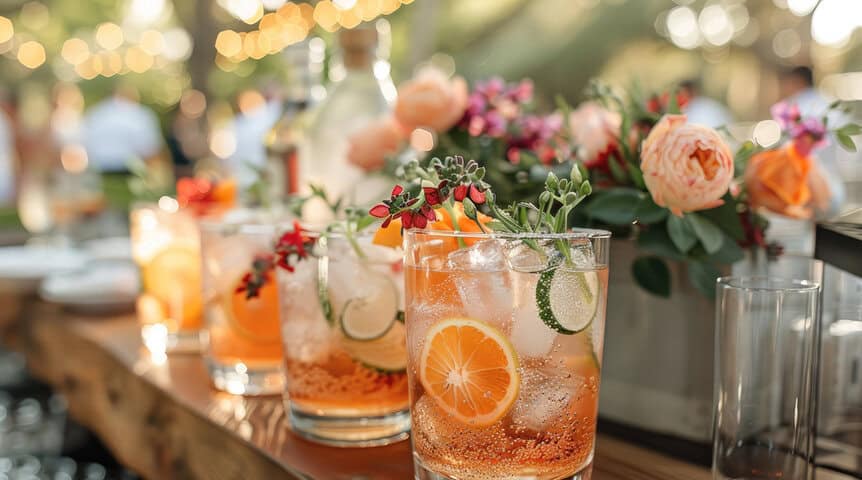
The food and beverage experience can be adapted to match this organic narrative. The bar transforms into a Botanical Elixir menu, featuring two low-cost signature drinks like a gin and herbal tonic infused with fresh rosemary, alongside an apple cider and bourbon smash accented with cinnamon bitters. In place of costly traditional favors, a self-service tea and herb blend bar allows guests to scoop custom tea leaves, dried lavender, or chamomile into small glass vials stamped with personalized wax seals, serving as both an interactive activity and a memorable take-home gift.
Fashion for this budget-conscious botanical concept focuses on clean, timeless lines. A bride can choose an off-the-rack gown featuring a simple satin column or slip silhouette, injecting the theme entirely through accessories like a custom embroidered veil with delicate botanical vines, or vintage-inspired brass jewelry. The groom and wedding party can forego matching designer tuxedos, opting instead for dark charcoal or navy suits they already own, unified by matching olive green velvet ties or custom botanical boutonnieres.
Execution Rules: Avoiding the Costume Party Pitfall
When executing any themed wedding, the boundary between an editorial masterpiece and a theatrical production is exceptionally thin. To keep an event feeling elevated and authentic, couples must limit their visual anchors. Picking three core visual elements and executing them flawlessly prevents the space from feeling cluttered. For example, a vintage cinematic romance theme might focus exclusively on black-and-white film projections on an accent wall, high-contrast motion-blur photography, and a vinyl DJ during dinner, completely skipping themed cake toppers, themed napkins, or specialized guest books that dilute the visual atmosphere.
Guiding the dress code without demanding costumes is equally vital. Rather than mandating explicit attire that forces guests to buy costume pieces, mood boards on a wedding website offer stylistic inspiration. Suggesting black-tie optional with a nod to vintage noir, accompanied by recommendations for deep jewel tones, velvet textures, and classic tailoring, allows guests to feel aligned with the atmosphere without feeling restricted.
Finally, high-end design relies on contrast. A theme becomes exhausting when applied relentlessly to every single surface. Modern design thrives in the space between old and new. An ornate, historic venue feels fresh when balanced by sleek, modern chrome accent chairs or simple, contemporary typography on signage. Conversely, a modern art gallery is softened and elevated through organic, untamed botanical installations. When guest experience, tactile design, and personal fashion intersect with restraint, the theme ceases to be a gimmick and becomes an immersive environment that transforms a simple gathering into a truly memorable event.