
Why Personalization Matters More Than Ever
Wedding ceremonies are often the emotional center of a wedding day. It is the moment when a room becomes quiet, attention narrows, and two people speak promises out loud. Many couples now want that moment to feel like their real relationship rather than a borrowed script. That is why the idea of a personal wedding ceremony has grown so quickly. Personalization does not require dramatic reinvention. It requires intention. Small choices in structure, music, language, and ritual can make the ceremony feel specific to the couple and unforgettable for guests.
Another reason personalization is rising is because modern guest lists are more diverse. Families can be blended. Cultures can be mixed. Friends may be just as important as relatives. A ceremony built with care can honor all of these truths without feeling complicated.
Start With Your Values Before Your Timeline
Choose Three Ceremony Values
Before choosing readings or songs, couples can choose three values they want the ceremony to communicate. Examples might include warmth, humor, tradition, or simplicity. This keeps every choice aligned. If your values are calm, intimate, and joyful, then the ceremony should be shorter, the music should be gentle, and the language should feel conversational. When values are clear, personalization becomes easy because you can filter options quickly.
Decide What Kind Of Energy You Want
Some couples want a ceremony that feels sacred and still. Others want something bright and social. Neither approach is better. The only goal is alignment. A personal wedding ceremony should match the couple’s natural energy. Guests feel comfortable when the mood fits the people they came to celebrate.
Ritual Ideas That Feel Meaningful
The Ring Warming Ritual
One of the most popular wedding ritual ideas for intimate ceremonies is ring warming. The rings are passed through the front rows so guests can hold them briefly and silently send good wishes. It is simple, it is inclusive, and it creates a soft emotional current in the room.
The Family Blessing Moment
Instead of only the couple standing at the altar, some couples invite parents or chosen family to stand for a short blessing. This can be a spoken blessing, a few lines of gratitude, or a brief embrace. It is especially meaningful when families are blended because it acknowledges that marriage often joins more than two people.
The Time Capsule Letter
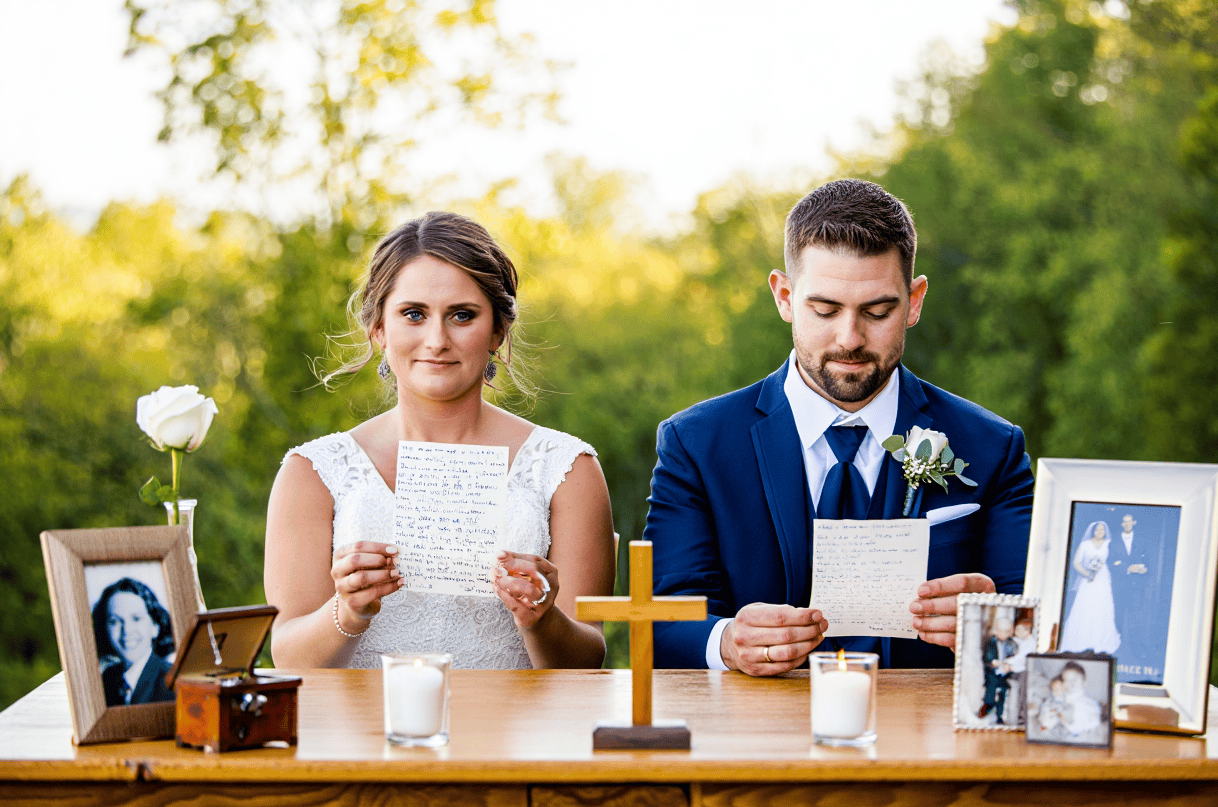
Couples write letters to each other before the ceremony and place them in a sealed box along with a small item, such as a photo strip or a cork from a special bottle. The box is opened on a milestone anniversary. This ritual feels modern yet timeless because it ties the ceremony to the future.
Modern Vows That Still Feel Classic
Use A Simple Structure
Personal vows can become overwhelming when couples try to write poetry. The most effective vows are clear and specific. A simple structure works well. Start with a short story, name what you admire, then make three to five promises. This keeps vows emotional and easy to follow.
Vow Writing Tips That Keep It Authentic
The best vow writing tips are practical. Write as you speak. Read your vows aloud and remove any phrase you would never say in conversation. Replace general praise with one detail. Instead of you always support me, say you make me tea without asking when you notice I am tired. Specificity creates emotion.
If you want to see vow structure examples and common vow lengths, you can explore resources on The Knot and vow inspiration collections on Brides.
Keep The Length Balanced
A mismatch in vow length can feel awkward. Couples can agree on a time target such as one and a half to two minutes. This creates a balanced exchange and keeps the room engaged.
Music Choices That Set The Heartbeat
Ceremony Music Matters More Than People Think
Ceremony music shapes how guests feel before a single word is spoken. It sets the emotional temperature of the room. A quiet instrumental prelude creates calm. A bright acoustic set creates joy. The processional music becomes a memory marker. Guests will often remember the song the moment they saw the couple walk in.
Live Music Adds Intimacy
A string duo, acoustic guitar, piano, or even a soft jazz trio can make a ceremony feel elevated and personal. Live music also adapts to timing. If the walk is longer than expected, musicians can extend the arrangement smoothly.
Song Meaning Over Popularity
Many couples choose songs that tell part of their story rather than songs that trend online. A track from a road trip playlist, a song from a first concert, or an artist that both love can make the ceremony feel personal without explanation.
Meaningful Readings That Do Not Feel Generic
Choose Readings That Sound Like You
Readings do not have to come from traditional religious texts. Couples now choose poems, letters, film dialogue, or passages from favorite novels. The key is to choose something that sounds like your voice and values. Guests notice when a reading feels true rather than random.
Keep It Short And Strong
One strong reading is often better than three average ones. A short reading that lands emotionally will hold attention and support the flow of the ceremony.
Invite The Right Reader
The person reading matters as much as the words. Choose someone with a calm voice who can speak clearly. If they are nervous, have them practice once with a microphone.
Making The Ceremony Inclusive
Language That Welcomes Everyone
Couples can personalize the ceremony by choosing inclusive language. This might mean using partner instead of husband and wife in certain lines. It might mean acknowledging chosen family. It might mean describing marriage as a commitment built on partnership rather than ownership. These choices can make guests feel seen.
Blending Cultures With Care
If families come from different traditions, couples can incorporate one element from each. This might be a blessing, a musical selection, or a small ritual. A ceremony that honors both sides feels richer than one that ignores differences.
Personal Touches That Guests Remember
The Welcome Note
A short welcome note in the program or on a sign can set the tone. Couples can share one sentence that explains what the ceremony means to them. This primes guests emotionally and makes them feel included.
The Gratitude Moment
Some couples pause after vows to thank guests for traveling and supporting them. This does not need to be long. One sentence of gratitude can transform the room.
The Seating Layout
Seating design is part of personalization. Semi circle seating feels intimate and reduces formality. No aisle layouts can feel modern and community focused. Small choices like this change the emotional feel without requiring extra budget.
Planning The Ceremony Flow
A Sample Structure That Works
A simple flow keeps the ceremony smooth. Welcome. Short reading. Vows. Ring exchange. Blessing or ritual. Pronouncement. Recessional. This is enough structure to feel ceremonial and enough flexibility to feel personal.
Keep Transitions Gentle
The ceremony should feel like one continuous moment, not a series of disconnected parts. Ask your officiant to create short transitions that explain what comes next. This keeps guests engaged.
Final Thoughts
A personal wedding ceremony is built through intentional choices rather than big gestures. By choosing meaningful wedding ritual ideas, using clear vow writing tips, selecting ceremony music that reflects your story, and including meaningful readings that sound like your voice, couples create ceremonies that feel alive and real.