
North of the Arctic Circle, night behaves differently. It doesn’t arrive suddenly or fully withdraw. It lingers, stretches, and settles into a prolonged state that feels less like darkness and more like suspension. Time slows under this sky, not because it has nowhere to go, but because there is less reason to measure it.
Tromsø sits within this altered rhythm. The city doesn’t fight the dark or attempt to explain it. Instead, it adapts — through light, through routine, through a quiet acceptance that winter here is not something to endure, but something to inhabit.
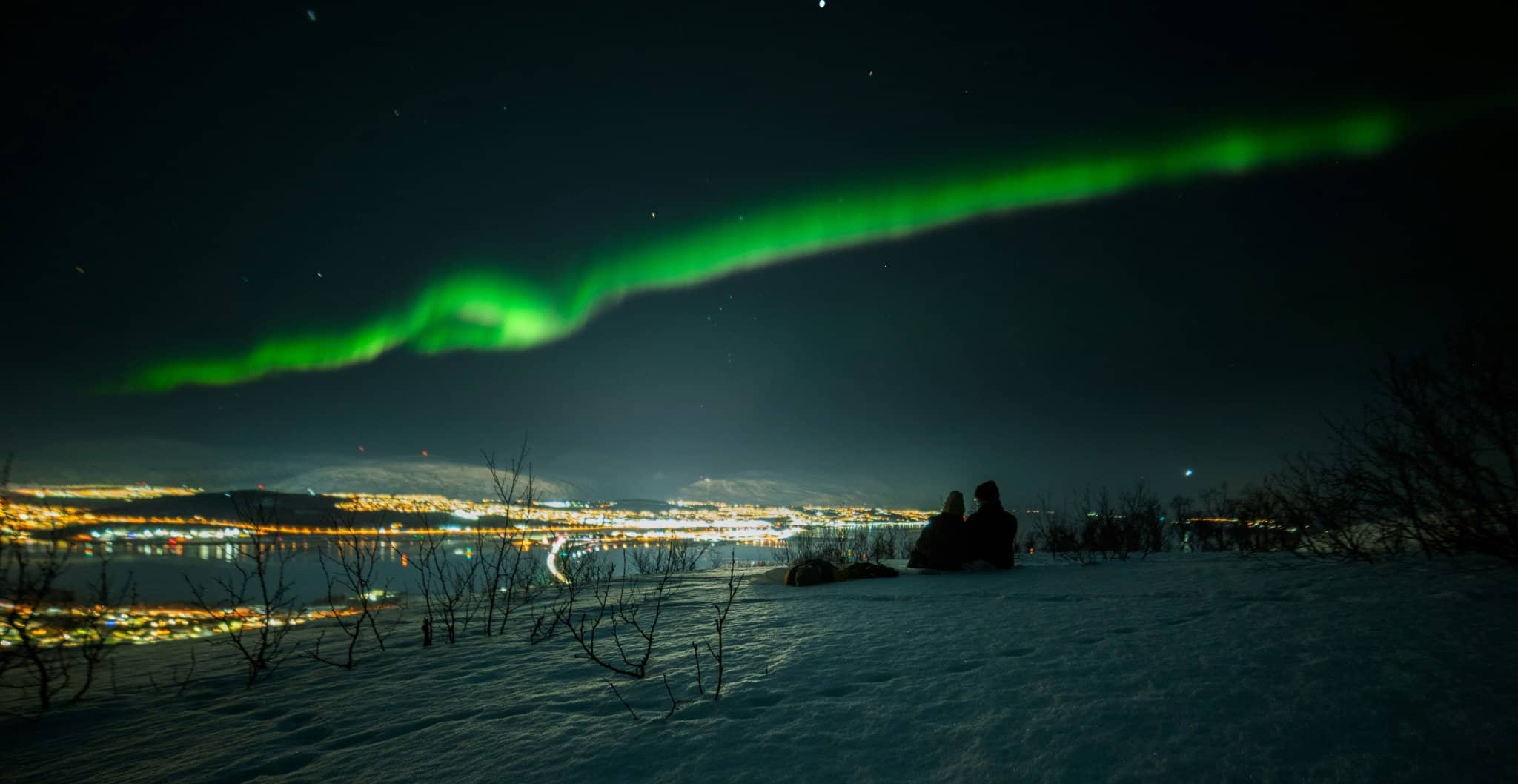
A City That Learns to Live Without Daylight
During the high Arctic winter, Tromsø moves inward. Streets remain active, but activity softens. Light becomes selective — a window here, a lamp there — never excessive, never wasted. The absence of daylight sharpens attention. You notice sound more. Temperature becomes a presence rather than a number.
Life continues without spectacle. Cafés glow from within. Conversations lengthen. There is less urgency to move quickly when the environment already insists on patience. The city’s relationship with darkness feels practiced, not dramatic.
Looking Up Instead of Out
In Tromsø, orientation changes. Instead of scanning the horizon, people look upward. The sky becomes a surface rather than a backdrop. Clouds, stars, and shifting colour patterns carry more weight than buildings or streets.
For many travellers, this adjustment begins through Tromso Northern Lights trips, not as an activity, but as an invitation to wait. The experience rarely unfolds on command. It resists scheduling. Watching the sky requires stillness more than pursuit.
This patience alters perception long before anything appears.
Waiting as Part of the Experience
The idea of waiting is often framed as passive. In the Arctic, it feels intentional. You stand in the cold, not moving much, aware of breath and balance. The body responds before the mind does. Layers become part of posture. Silence becomes audible.
When colour finally moves across the sky — if it does — the moment feels earned rather than delivered. There is no crescendo, no announcement. The light arrives quietly, shifts shape, and disappears without conclusion.
What stays isn’t the image, but the attention it demanded.
Tromsø After Dark
The city at night does not empty. It condenses. Social life continues indoors, shaped by proximity rather than expansion. Restaurants feel warmer, not louder. Music stays low. There is a shared understanding that the outside world will still be there when you step back into it.
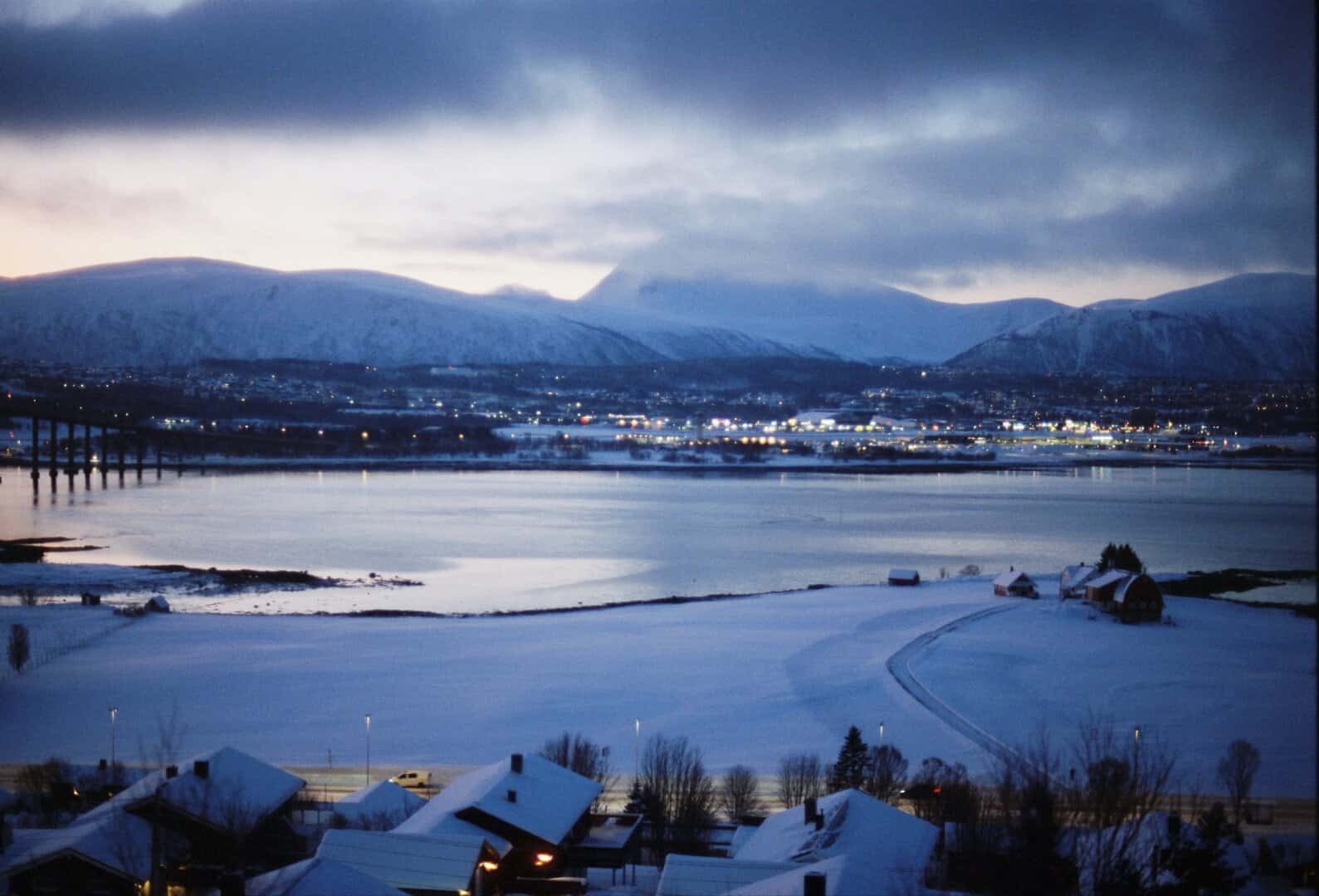
Snow reflects what little light exists, softening edges and muting contrast. Streets feel smaller, but not confined. Tromsø does not retreat from winter — it adjusts its scale.
This adjustment feels communal rather than individual.
When Darkness Stops Feeling Empty
Extended night changes how absence is interpreted. Darkness stops feeling like a lack and starts feeling like a container. It holds sound, movement, and thought differently. Distractions fall away. Small sensations take on more weight.
This is why trips to Tromso Northern Lights often leave a stronger impression than expected. The experience is not just visual. It’s atmospheric. It alters how time is felt, how silence is tolerated, how stillness becomes active rather than idle.
The light in the sky becomes secondary to the shift it causes.
Cold as a Physical Language
Cold in Tromsø is not an enemy. It is a condition that requires response. You learn quickly how to stand, how to move, how to pause without losing warmth. The body becomes alert in a quiet way.
This physical awareness anchors the experience. You are present because you must be. There is no drifting. The environment insists on participation, even when nothing appears to be happening.
In this way, the Arctic night is engaging without being demanding.
Interiors That Matter More
Because the outside world is vast and restrained, interiors carry more significance. A wooden table. A candle. A window framing snow and sky. These details feel deliberate rather than decorative.
Hospitality in Tromsø reflects this. Spaces are designed for comfort without excess. Warmth is practical. Beauty is functional. Nothing feels temporary, even when visitors are.
The city has learned how to host without spectacle.
The Sky as a Shared Event
When the aurora does appear, it belongs to no one in particular. There is no front row. People gather loosely, not performing excitement, but acknowledging something collective.
The light moves unpredictably. Sometimes it fades before fully forming. Sometimes it lingers just long enough to recalibrate expectation. There is no guarantee, and that uncertainty remains central to the experience.
The sky is not there to deliver. It simply does what it does.
Memory Without Documentation
Many moments in Tromsø resist capture. Cold limits how long you hold a camera. Darkness flattens images. The experience doesn’t translate cleanly into proof.
This resistance feels intentional, even if it isn’t. Memory forms differently here — through sensation rather than image. You remember how still you were. How long you waited. How the cold sharpened awareness.
What remains is internal, not visual.
A Place That Alters Pace
Time in the high Arctic doesn’t move forward so much as it expands. Nights stretch. Days compress. Schedules soften around weather and light.
Tromsø adapts without complaint. The city doesn’t promise spectacle. It offers space — physical, temporal, mental. That space changes how experience settles.
You leave with fewer reference points, but a heightened sensitivity to pause.
What the Northern Night Leaves Behind
Under the northern sky, nothing concludes neatly. The aurora does not perform an ending. Darkness does not resolve. The experience fades rather than finishes.
What remains is an altered relationship with attention. You learn how to wait without anticipation, how to look without demand, how to exist without constant stimulation.
Tromsø does not explain the Arctic night. It allows you to spend time inside it — long enough for it to shift how you listen, how you notice, and how you carry stillness forward, even after the light returns elsewhere.