
Fashion fades. Style is eternal.
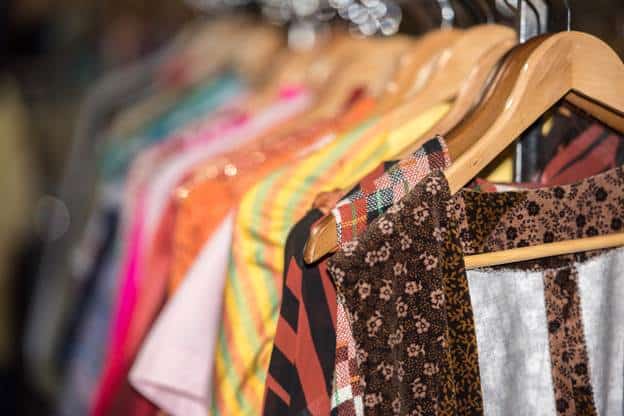
Such were the words of Yves Saint Laurent, the designer behind the eponymous clothing brand based in Paris. Fashion trends may come and go, but they don’t totally disappear. People would want to experience what it was like to wear something from a few decades ago, if not from a bygone era.
This is all but clear in Gen Z’s brewing obsession with anything vintage. Pinterest’s latest Fall Trends Report revealed huge spikes in searches for vintage-related keywords on the platform, with some of the most notable increases in “vintage fall aesthetic” (up 1,047%) and “polka dot aesthetic” (up 699%). (1)
But why does the younger generation suddenly want to wear clothing that dates back to or is inspired by fashion 20 years ago or longer? More importantly, what makes them popular even after they’ve gone out of fashion?
Reminiscing About Simpler Times
There’s a point in a person’s life when they long for the “simpler” times of the past several decades. Older folks would often reminisce, if not chew the youth’s ears off, about how they lived life to the fullest with what they had at the time.
All that changed with COVID, given how it prompted an unprecedented global lockdown. People could no longer go out and have fun, and even after the quarantines were lifted, a sense of uncertainty still hung around. Years later, many people wonder (if not believe) if life today is worse than before the pandemic.
Amidst this, it’s the younger generation that’s driving nostalgia. A survey by the audience research company GWI found that 56% of Gen Z respondents expressed nostalgia for the 2000s, while 42% did so for the 2010s. (2)
The trend is reflected in the generation’s fashion choices, with 54% liking vintage clothing. It’s marked by the resurgence of fashion trends that defined the 1990s and 2000s, such as grunge or “anti-fashion” fashion. (2)
These eras weren’t as bound by strict fashion rules as the current one, allowing people to express themselves freely. As fashion journalist Valentina Herbort told DW, the popularity of retro vintage-inspired clothing persists due to a strong desire for individuality. Such a thing isn’t easy to uphold in the digital era, which is all the more reason to hang on to it.
Women’s and men’s clothing brands like American Vintage are well aware of Gen Z’s love for vintage, working diligently to meet demand. Every season brings newest additions, from wool coats to cashmere sweaters. Despite being fresh off the assembly line, these clothes are still considered vintage in the sense that they’re “vintage inspired.”
Longer-Lasting Apparel
Fast fashion is, in many ways, the defining fashion of the 21st century, although its roots date back over a century. This business model involves churning out new clothing styles every few weeks, typically at a low cost. Consumers can stay trendy while fashion brands enjoy a huge revenue stream from selling mass-produced apparel.
For a while, people talked about fast fashion as if it were the latest fad. However, as they began delving deeper into how the model works, it isn’t all rainbows and unicorns.
One issue is durability, which is classified into two aspects. The first is physical durability, which is exactly what it says. Pilling and color fading are prevalent among mass-produced clothes; either is enough for people to discard them after a short time.
A more pressing issue, however, is what the industry refers to as perceived durability. Even if the clothes are still in good condition, consumers may be encouraged to dispose of them anyway because they’ve fallen out of style. Fast fashion promotes replacing weeks-old, yet still good, apparel with the latest wave of designs.
High-end fashion isn’t necessarily longer-lasting, either. A 2023 UK-based study tested t-shirts, denim jeans, and hoodies from multiple brands and found that some pricier items were no more durable than the budget ones. (3)
| Durability Ranking | Price Range (in GBP£) | |||||
|---|---|---|---|---|---|---|
| Denim Jeans | Hoodies | T-shirts | ||||
| Men | Women | Men | Women | Men | Women | |
| 1 | 71 – 90 | 121 – 150 | 31 – 50 | 111 – 130 | 6 – 10 | 16 – 20 |
| 2 | 51 – 70 | 21 – 30 | 31 – 50 | 11 – 20 | < 5 | 6 – 10 |
| 3 | 11 – 20 | 11 – 20 | 51 – 70 | 11 – 20 | 21 – 25 | < 5 |
| 4 | 21 – 30 | 31 – 50 | 31 – 50 | < 10 | 11 – 15 | 16 – 20 |
| 5 | 11 – 20 | 31 – 50 | 11 – 20 | < 10 | 21 – 25 | 36 – 45 |
Source: Hubbub, Primark, University of Leeds
Retro vintage-inspired clothing’s prices tend to be on the high end, but they make up for this with their ability to stay stylish for a long time. The longer it maintains its style, the more its value grows. As long as interest in vintage persists, so will old-fashioned fashion.
In the event of damage, some brands offer alteration and repair services. After all, a piece of clothing that remains good to wear for years can be kept out of landfills for just as long.
Doing Their Part for Mother Nature
Once a piece of clothing is no longer wanted, fewer of these are donated to charity or given as hand-me-downs. In the US, the Environmental Protection Agency reports that two-thirds of discarded textiles end up in landfills nationwide. Between 2000 and 2018, the amount of textile waste in landfills increased. (4)
Clothes don’t belong in landfills. While clothes made of natural fibers like cotton can break down quickly, those made of synthetic ones like nylon and polyester don’t. You don’t want them to break down, as that risks the chemicals in dyes seeping into the ground. However, you also don’t want them not to break down, as they consume landfill space.
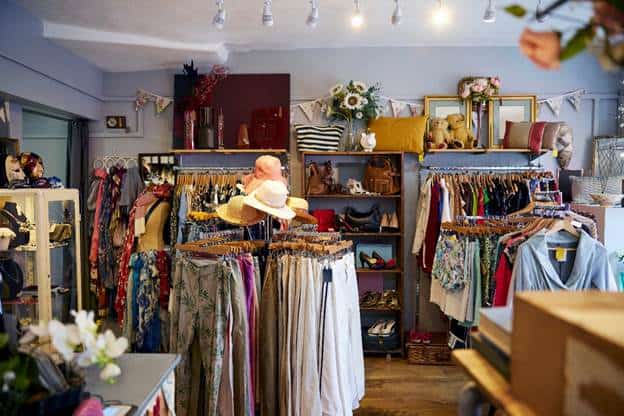
The good news is that younger consumers are aware of the impact their decisions have on the environment. Gen Z is in the spotlight, widely touted as the “sustainability generation” for their tendency to prioritize sustainability over brand image and their willingness to pay more for environmentally friendly products.
Their preference for vintage and vintage-inspired clothing stems from the fact that it’s the complete opposite of fast fashion (slow fashion, if you must call it). It isn’t under pressure to keep up with rapidly changing trends, as it conforms to trends of decades past. It’s less about being fashionable and more about being stylish.
Coupled with public pressure to be more ecologically responsible, vintage-inspired clothing brands take time to make their apparel. They invest in measures like using mineral dyes or reusing water to mitigate their carbon footprint. The downside is that the cost is passed on to consumers, but as mentioned earlier, younger consumers are willing to pay extra.
Sustainability also extends to the retail stores they maintain. One approach is to harness the local environment to their advantage, such as not having air conditioning in stores located in cold climates. Every step vintage or vintage-inspired fashion takes to reduce its carbon footprint makes it more attractive to the environmentally conscious.
The Power of Social Media
No discussion of fashion trends would be complete without mentioning the role of social media platforms. TikTok, in particular, has become a hub for vintage fashion content, with some content creators gaining a cult following.
Social media is known to be a force multiplier, an asset that greatly increases the exposure of a trend for minimal resources and effort. With a monthly active user base of 1.6 billion, TikTok is one of the largest social media platforms. Its focus on short-form video content has served fashion content creators well in spreading the word about vintage fashion. (5)
Freelance writer and Vogue contributor André-Naquian Wheeler notes that such videos are less flexing and more indulging in unique finds. Many of these feature content creators who enter a thrift store and try on its inventory of vintage clothing. Instead of a formal critique or deep dive, they speak as if they’re shopping with an equally astounded friend.
And when stores get a visit from content creators and influencers, a traffic spike is likely to follow. Why would it be otherwise when a person with a huge social following vouched for the store and its unique selection?
Finding vintage-style clothing is akin to a treasure hunt. Knowing that a new trend is just around the corner isn’t as exciting as finding something you didn’t know even existed—and inside a thrift store or vintage-inspired clothing brand outlet, no less. The natural response would be to spread the word, and social media is the ideal medium for it.
Exquisite finds are a hallmark of vintage fashion. Today’s society may not truly experience what fashion was like decades ago, but vintage clothes currently in stock can give them a glimpse. This will also be true for future consumer generations.
Newfound Interest in Old Fashion
Interest in vintage and vintage-inspired fashion isn’t just clear as day, but it’s also rising. The desire to return to simpler times is strong, accompanied by a commitment to making decisions that benefit the planet and future generations. Vintage clothing may be out of fashion, but it won’t go out of style anytime soon.
References:
1. “The Trending Fashion Aesthetics Gen Zers Are Shopping Secondhand,” Source: https://fashionista.com/2025/08/gen-z-fall-fashion-trends-2025-pinterest-report
2. “How are Gen Z and millennials driving nostalgia?” Source: https://www.gwi.com/blog/nostalgia-trend
3. “Worn out: Is price an accurate indicator of clothing durability?” Source: https://issuu.com/hubbubuk/docs/2023-07-18_hubbub_primark_durability_report_issuu?fr=sMWUyMzYyNTk3NjI
4. “Fast Fashion—Great for Your Wallet, Costly for the Planet,” Source: https://www.gao.gov/blog/fast-fashion-great-your-wallet-costly-planet
5. “The Top 10 Social Media Sites & Platforms,” Source: https://www.searchenginejournal.com/social-media/social-media-platforms/