
Many couples today want to have their wedding ceremony reflect the relationship and values that they share. Instead of organizing the traditional format but with no changes, there are many couples that are interested in finding the ideas of wedding ceremonies to make the moment more personal.
A wedding ceremony is the core of a celebration. It is the time for two people to publicly commit to each other, surrounded by family and friends. When the ceremony’s personality and story are reflected in the marriage ceremony, it will often be more emotional and memorable for all who are present.
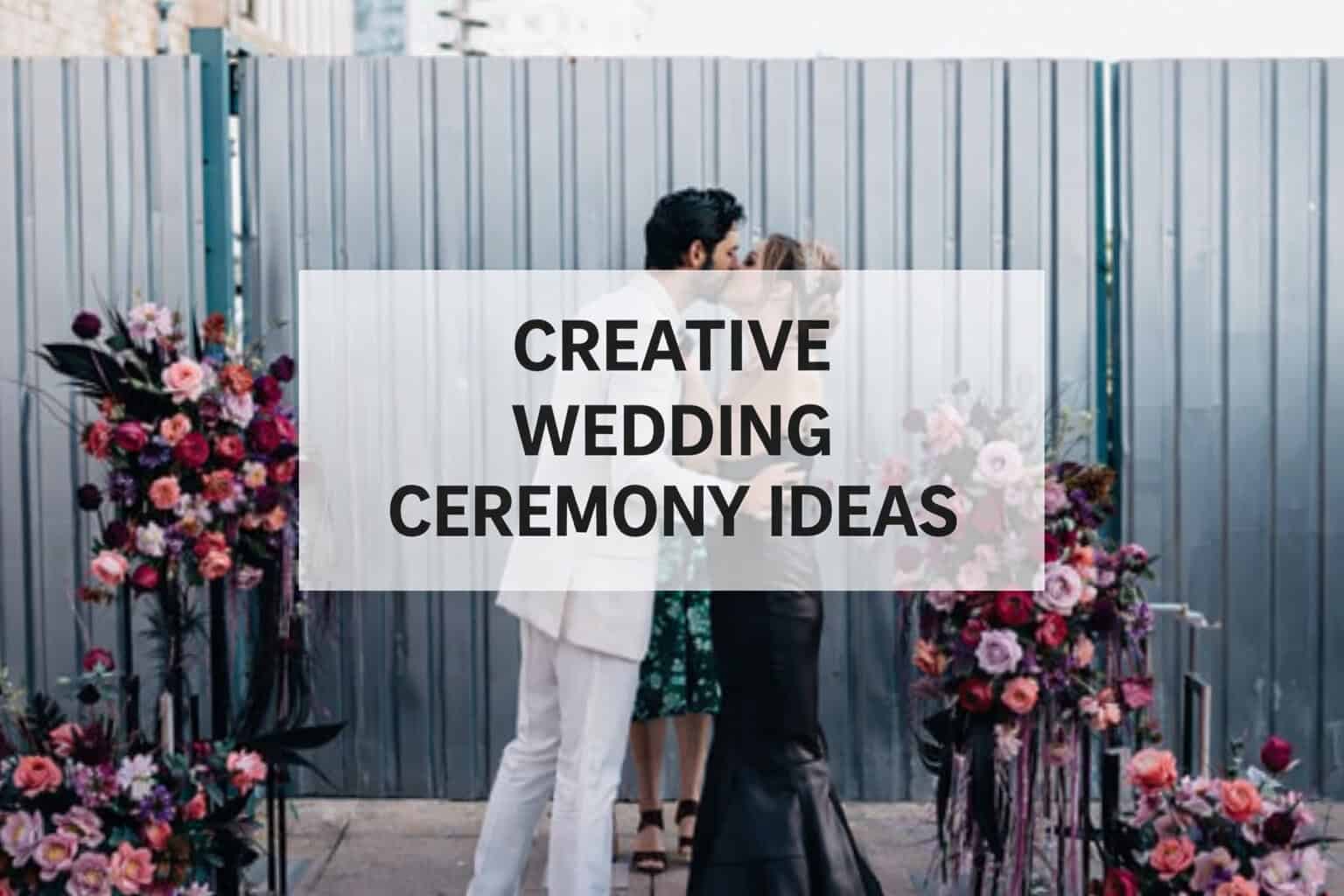
Creative Wedding Ceremony Ideas
Small touches, meaningful rituals, and thoughtful choices can turn a ceremony from an event to a moment that truly represents the couple.
Writing Your Personal Wedding Vows
One of the most meaningful wedding ceremony ideas is the writing of personal vows. Instead of using traditional text, couples have the opportunity to use their own voice and put their promise to the word.
Personal vows often include memories of how the couple met, memories of what they admire about each other, and the vows the couple wants to make for the future. This is an opportunity for guests to view the relationship in a greater and more authentic way.
Although writing vows can be an intimidating proposition at first, for many couples, writing the vows becomes one of the most memorable parts of the ceremony itself.
Engaging the Family and Friends
Another way to make a ceremony meaningful is to have family members or close friends participate in the occasion. Many couples invite loved ones to give readings, share brief reflections, or participate in ceremonial customs.
This involvement is useful for making the ceremony feel more connected to the community of the couple. Guests often enjoy being incorporated in some meaningful role as opposed to simply sitting by and watching.
Family traditions, cultural customs, or personal stories can also contribute depth and significance to the ceremony.
Choosing a Unique Ceremony Location
The place where the ceremony takes place can also make a great impression. Instead of having the ceremony in a traditional venue, some couples pick venues that have special meaning to them.
Outdoor gardens, beaches, historical structures, or homes owned by the family can all make memorable settings. These places are often representative of the couple’s shared interests or key events in their relationship.
When the place holds personal significance, it works as a natural addition of emotion to the ceremony.
Adding Symbolic Rituals
Symbolic rituals are another popular form of personalizing a wedding ceremony. These rituals are a joining of two lives and oftentimes make for a memorable visual moment.
One example is the unity candle ceremony in which both partners light a single candle together. Another option is the sand ceremony, in which different colored sands are brought together in one container to symbolize unity.
Some couples also incorporate cultural or family traditions that reflect their culture. These rituals bring meaning as well as provide the guest with something special to see.
Sharing Your Love Story
Many couples like to incorporate their story into the ceremony. The officiant can briefly explain how the couple met, how their relationship developed, and how their relationship led them to the wedding day.
Hearing this story helps to connect guests more to the moment. It also gives the couple the opportunity to express their journey together.
Even basic information, like how the couple met or if they have interests in common, can help make the ceremony more personal and genuine.
Using Music That Represents Your Relationship
Music can be another way of creating an atmosphere of meaningful ceremony. Many couples choose songs that are meaningful in their relationship.
This could consist of music played during the processional music, while signing the marriage license, or during the exit of the ceremony. The addition of live musicians, such as a violinist or acoustic guitarist, can also create a warm and emotional tone.
Choosing meaningful music helps make the ceremony unique and memorable.
Creating a Moment for Guests
Some of the wedding ceremony ideas revolve around the guests themselves. For instance, couples may invite people to come up and have a moment of reflection, offer silent blessings, or participate in a group reading.
Another option is to invite guests to write minor messages or wishes for the couple before the start of the ceremony. These messages can later be kept as keepsakes.
These small gestures help guests to feel more connected to the ceremony and the couple’s future together.
Making the Ceremony Totally Your Own
The best wedding ceremonies of all are those that are indicative of the personality and relationship of the couple. There is no one format that every ceremony must take.
Some couples like to have traditional ceremonies, but with a few little touches of their own; others will create a totally unique ceremony. What is most important is that the ceremony is real and has meaning to the couple.
By selecting ideas for wedding ceremonies that reflect their story, this will allow couples to create something for their weddings that feels genuine, emotional, and unforgettable for all involved.