
Central Europe doesn’t introduce itself cleanly. It arrives in fragments — a façade that feels too ornate for its street, a square that holds silence longer than expected, a river that keeps moving while everything around it hesitates. Meaning here isn’t organised. It accumulates.
Prague, Vienna, and Budapest sit along the same current, but they don’t mirror one another. Each responds differently to weight — architectural, political, emotional. Travelling between them is less about comparison and more about noticing how atmosphere shifts without warning.
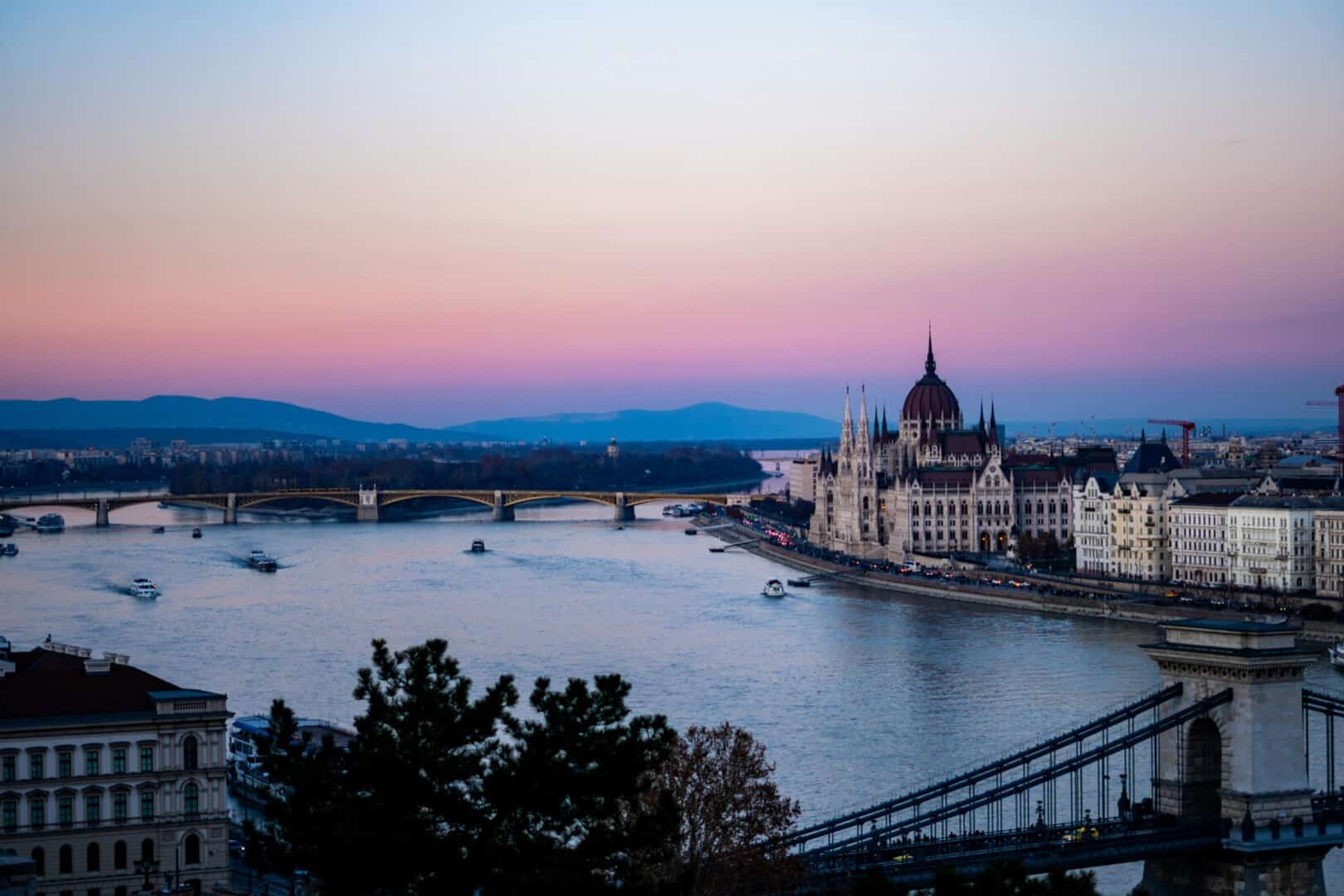
Prague and the Density of Memory
Prague feels compressed. Streets narrow as they move inward, and ornament presses close, leaving little space between observer and object. Gothic spires rise without elegance, more insistence than beauty. They don’t decorate the skyline; they puncture it.
The city doesn’t separate daily life from its past. Churches interrupt errands. Stone appears where glass would be easier. You feel watched by history, not because it demands attention, but because it refuses distance.
Movement here slows naturally. Not by design — by necessity.
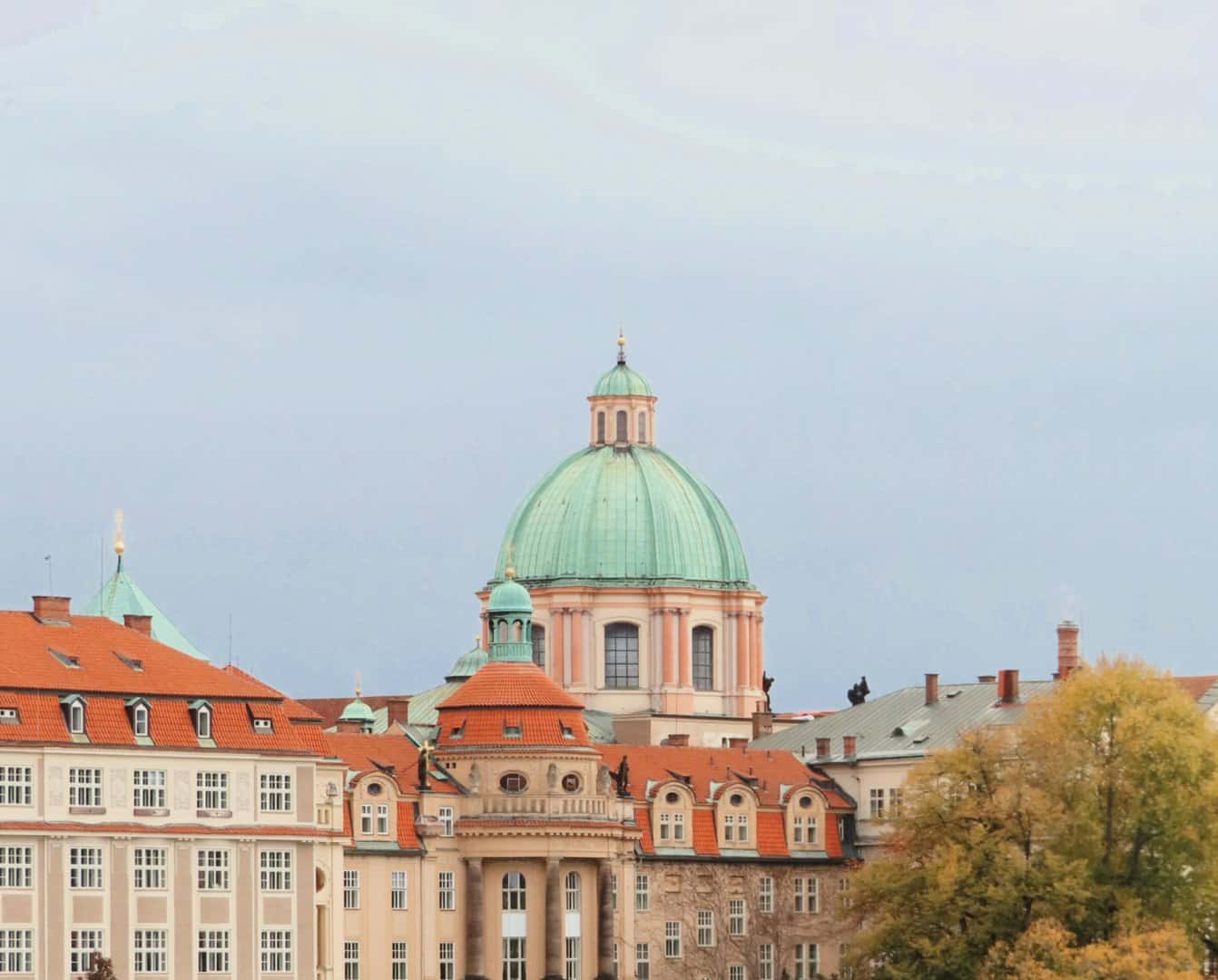
Where Ornament Becomes Structure
In Prague, decoration is never just decoration. Carvings, arches, and façades feel load-bearing, as if removing them would cause the city to collapse inward. The visual density shapes behaviour. You look up more often. You hesitate at corners. Even familiarity doesn’t reduce the effect.
Time behaves differently in this environment. Days feel layered rather than linear, and moments repeat without feeling identical. The city doesn’t guide you forward; it folds you back into itself.
Leaving Without Release
Departing Prague carries a strange sensation, as though you’re not leaving a place but loosening a grip. Boarding the Prague to Vienna train introduces space gradually. Buildings thin out. Fields widen. The eye relaxes before the mind catches up.
Nothing dramatic happens. That’s the point. The transition works quietly, undoing density through repetition. By the time Vienna appears, the change already feels familiar.
Travel becomes adjustment, not escape.
Vienna and the Comfort of Control
Vienna does not compress. It expands. Streets are broad, buildings aligned, façades disciplined. Even beauty behaves. The city feels governed by intention — not only historically, but spatially.
Grandeur here is not expressive. It’s regulated. Palaces don’t overwhelm; they instruct. Public buildings suggest permanence rather than awe. Everything appears designed to last, not impress.
This creates a sense of calm authority. Vienna doesn’t persuade. It assumes.
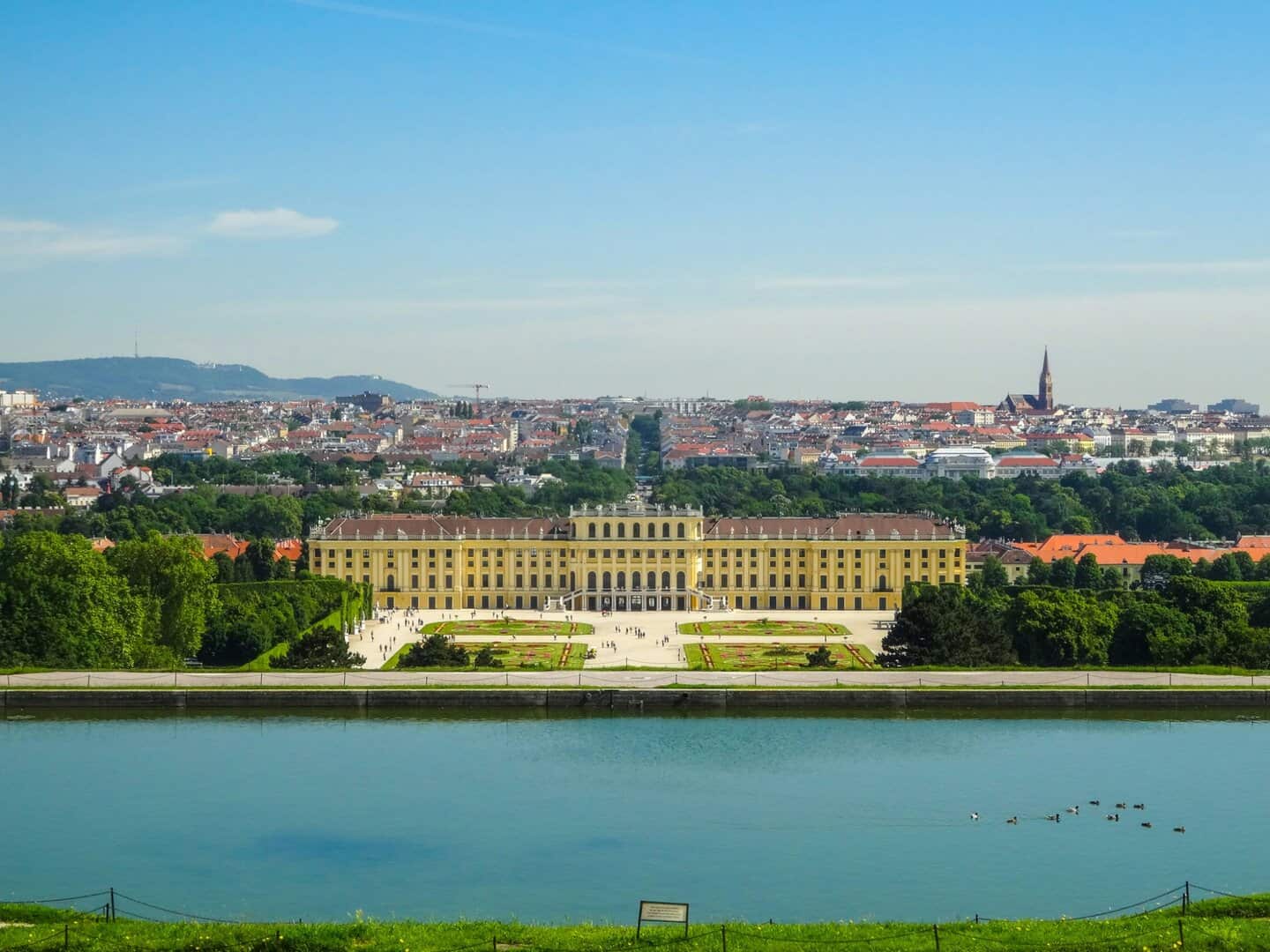
Living Inside the System
What softens Vienna is repetition. Coffeehouses hold time without explanation. Music drifts through routines rather than interrupting them. Culture is absorbed through habit, not occasion.
Days unfold predictably, and that predictability becomes reassuring. The city doesn’t ask for attention — it accommodates it. Refinement here comes from maintenance, not invention.
It’s easy to stay longer than planned.
Order That Leaves Room to Breathe
Despite its structure, Vienna is not rigid. Its control allows for pause. Benches are placed where people actually stop. Parks open outward rather than enclosing. The city anticipates stillness and makes space for it.
This generosity prevents formality from turning cold. Authority remains visible, but it doesn’t press. Vienna holds itself together without tightening.
Following the River’s Direction
Continuing east by train from Vienna to Budapest keeps the journey aligned with the Danube rather than with borders. The river leads. The land follows.
Formality loosens along the way. Lines soften. The environment becomes more expressive, less measured. By the time Budapest arrives, order has already given ground to contradiction.
The shift is felt before it’s seen.
Budapest and the Acceptance of Tension
Budapest does not smooth itself out. It allows opposites to remain visible. Hills rise abruptly from flat ground. Grandeur sits beside neglect. Beauty and wear share the same surface.
The city doesn’t correct these contrasts. It uses them. Thermal baths fill spaces once marked by authority. Cafés occupy buildings that have already lived several lives. Nothing here insists on resolution.
Budapest feels honest because it doesn’t attempt coherence.
Intimacy Inside Scale
Despite its size, Budapest feels close. Streets bend unexpectedly. Courtyards hide behind monumental façades. Life pulls inward after empire moves on.
There’s a sense that the city learned to adapt rather than preserve. Spaces weren’t frozen; they were reused. That reuse gives warmth to what might otherwise feel heavy.
History here is handled, not displayed.
Nights That Reconfigure the City
Budapest changes after dark. The river reflects light unevenly, and streets soften without losing edge. Social life feels improvised — temporary, fluid, responsive.
This flexibility reshapes the city’s energy. Public space becomes shared again, not inherited. What once signalled power now supports presence. The city loosens its posture without losing its depth.
The River That Doesn’t Explain
Across all three cities, the Danube remains steady. It reflects, absorbs, carries — but never clarifies. It holds memory without organising it.
Each city treats the river differently. Prague keeps it at a distance. Vienna frames it. Budapest leans into it. None of these approaches feel definitive.
The river allows difference to persist.
Understanding Through Repetition
This journey doesn’t instruct. It repeats. You notice how silence behaves in public spaces. How long people stay seated. How buildings either confront or accommodate you.
Meaning builds without summary. There is no final viewpoint, only accumulation. Cities reveal themselves through return rather than revelation.
The Danube teaches patience without asking for it.
A Region That Remains Open
Central Europe resists closure. Empires leave structure, not answers. Belief, power, and daily life overlap without agreement.
Moving along the river doesn’t resolve this tension — it exposes it. That exposure keeps the region alive, unfinished, and resistant to simplification.
What stays with you isn’t a conclusion, but a sensitivity to how place presses inward, loosens, and reshapes attention. Travel here becomes less about understanding and more about learning how to remain open while moving through it.